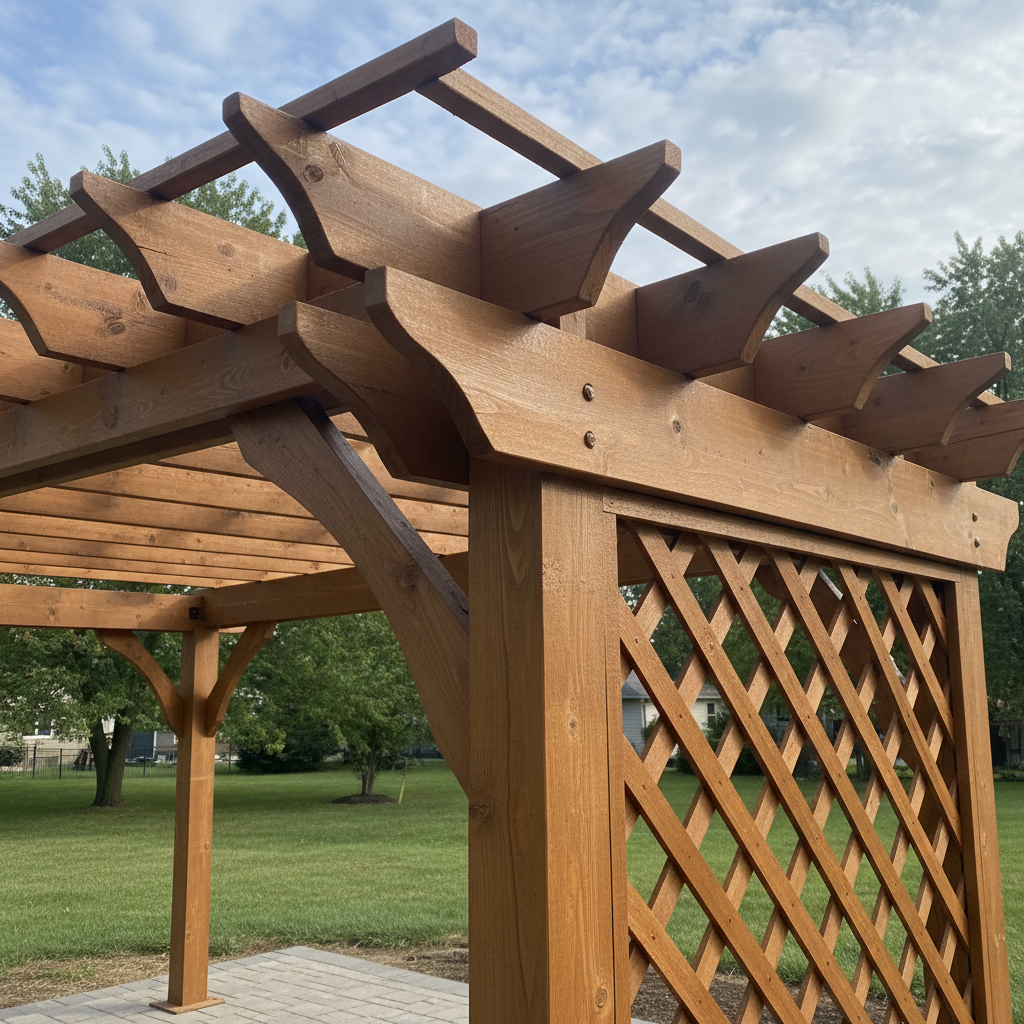
Alright, let's talk pergolas. I get a lot of calls from folks around Rockford, especially as the weather warms up, asking about these structures. They're a great way to add some shade and style to your backyard without fully enclosing it like a sunroom. But there are always questions, and that's good. You should be asking. Here are the most common ones I hear, and my honest answers.
What's the real difference between a pergola and a gazebo?
This is probably the most frequent question I get. It's simple, really. A gazebo is a freestanding structure, usually octagonal or round, with a solid roof. Think of those classic park structures — that's a gazebo. They offer full shade and protection from rain. A pergola, on the other hand, typically has an open, slatted roof. It's designed to provide partial shade, define an outdoor space, and often serves as a support for climbing plants. You're not going to stay dry under a pergola in a downpour, but you'll get a nice dappled light and a cool breeze. They're more about atmosphere and defining a zone than full shelter, you know?
What materials are best for a pergola in Rockford's climate?
Given our Illinois weather – those hot, humid summers and snowy, icy winters – material choice is crucial. I generally recommend two main options: pressure-treated wood or aluminum. Cedar is also popular for its natural beauty and insect resistance, but it's a bit more of an investment and requires regular sealing to stand up to our freeze-thaw cycles. Pressure-treated pine is cost-effective and durable, especially when properly maintained. It's what I use for a lot of projects. Aluminum is a fantastic low-maintenance option; it won't rot, warp, or get attacked by pests. It's usually powder-coated, so it holds its color well and just needs an occasional wash. Vinyl is another option, but honestly, I find it can look a bit too 'plastic-y' for some folks' tastes, and it's not as structurally rigid as aluminum or wood, especially for larger spans. For the long haul, especially with the heavy snow loads we sometimes get in places like the older west side neighborhoods, I lean towards robust wood or quality aluminum.
Do I need a permit to build a pergola in Rockford?
You absolutely might. This isn't something to guess about. The City of Rockford has specific building codes and requirements. Generally, if your pergola is attached to your house, or if it's freestanding but over a certain size (often 120 square feet or 10x12 feet), you'll need a building permit. There might also be zoning setbacks to consider, meaning how close it can be to your property line. Before we even draw up plans, I always check with the city's building department. It saves a lot of headaches down the road. You don't want to build something beautiful only to be told you have to tear it down or modify it because you skipped the paperwork. We handle all that permit stuff here at Valley Decking, so you don't have to worry about it.
How much shade will a pergola actually provide?
This depends entirely on the design of the top slats and the time of day. If you want more shade, we can space the rafters closer together or add a secondary layer of smaller lath strips on top. You can also incorporate shade sails or retractable canopies, which are excellent for adjusting the amount of sun you get. For maximum shade, some people opt for polycarbonate panels over the slats, which gives you rain protection too, effectively turning it into more of a patio cover. It's all about what you're looking for. We'll discuss sun exposure in your yard and orient the pergola for the best effect.
Can I attach a pergola to my house, or does it have to be freestanding?
You can absolutely do both! An attached pergola, often called a 'lean-to' style, is very common. It uses your house as one support, meaning fewer posts and a more seamless transition from your indoor living space to your outdoor area. This is great for patios right off the back door. Freestanding pergolas are perfect for defining a separate space in your yard, maybe over an outdoor kitchen, a fire pit area, or even a hot tub. The choice usually comes down to where you want the structure and how you plan to use it. Both options are structurally sound when built correctly.
What kind of maintenance does a pergola need?
Maintenance varies by material. A pressure-treated wood pergola will need to be cleaned, sealed, or stained every 2-3 years to protect it from our harsh climate and keep it looking good. This prevents rot, splintering, and fading. Cedar needs similar treatment, maybe a bit more often. Aluminum pergolas are nearly maintenance-free; just a good wash with soap and water once a year to remove dirt and pollen is usually all they need. If you have climbing plants, you'll need to prune them regularly to keep them from overgrowing and potentially damaging the structure. And always keep an eye out for any loose fasteners or signs of wear, no matter the material. A little proactive care goes a long way to extending its life.
How long does a pergola project usually take?
Once we've got the design finalized and permits in hand, the actual construction time for a typical residential pergola isn't usually too long. For a standard-sized wood pergola, we're often looking at a few days to a week of build time, depending on complexity and weather. If it's a larger, more intricate design or an aluminum kit, it might take a bit longer. The biggest variable isn't usually the build itself, but the planning and permit approval process. That's why it's always good to start thinking about these projects well in advance of when you want to be enjoying it.